
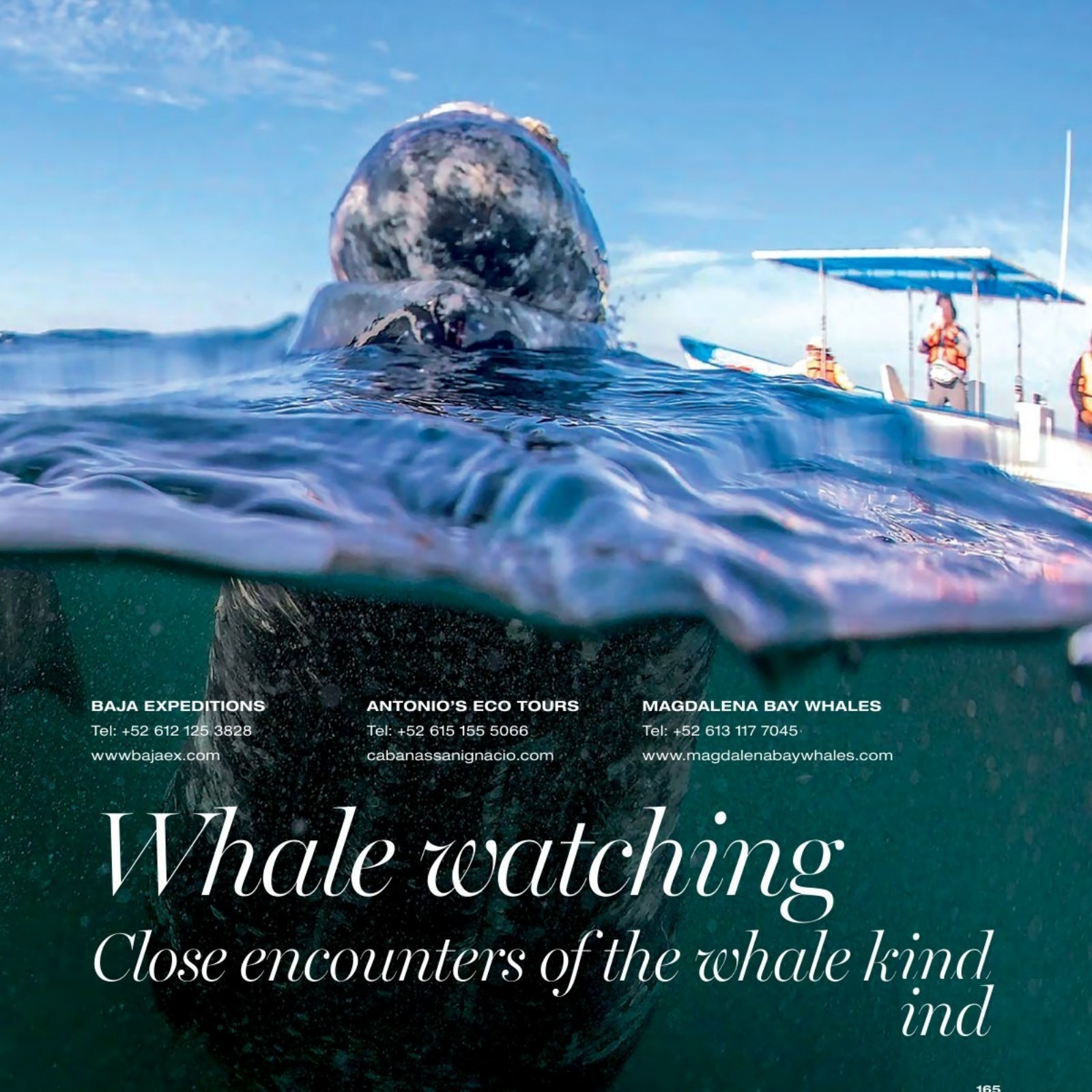
Baja’s marine life does not run on one single season. Humpback whales arrive off Los Cabos in winter, gray whales gather in Pacific lagoons, whale sharks feed near La Paz, blue whales move through Loreto, and huge schools of mobula rays appear when the water begins to warm. The right month—and the right base—changes everything.
This Baja wildlife calendar gives travelers a practical month-by-month view of the peninsula’s signature encounters. These are typical windows, not guarantees: wild animals move with food, water temperature, weather, and other conditions, while protected-area rules can change from one season to the next.
The two best overall wildlife windows
If your goal is the widest variety of large marine life, plan around one of two broad windows:
- January through March: the strongest all-around period for humpback whales in Los Cabos, gray whales in the Pacific lagoons, blue and fin whales near Loreto, and—when the authorized season is open—whale sharks near La Paz.
- April through June: the headline window for large mobula ray aggregations around La Ventana and Cerralvo Island, with late-season humpback activity sometimes continuing into April.
February and March offer the best overlap for travelers hoping to combine more than one region. May and June are the more focused choice for travelers whose priority is snorkeling or diving around schooling mobulas.
Baja marine life by month
| Month | Strongest encounters | Best bases |
|---|---|---|
| January | Humpbacks, gray whales, whale sharks, sea lions | Los Cabos, Magdalena Bay or San Ignacio, La Paz |
| February | Humpbacks, gray whales, blue whales, whale sharks | Los Cabos, Pacific lagoons, Loreto, La Paz |
| March | Humpbacks, gray whales, blue whales, whale sharks | Los Cabos, Pacific lagoons, Loreto, La Paz |
| April | Late whales, early mobula aggregations, sea lions | Los Cabos, La Ventana, La Paz |
| May | Mobula rays, sea lions early in the month | La Ventana, Cerralvo Island, La Paz |
| June | Mobula rays; seasonal sea-lion restrictions begin at Los Islotes | La Ventana, Cerralvo Island |
| July | Late mobula activity, warm-water diving | La Ventana, East Cape, Sea of Cortez |
| August | Warm-water diving and pelagic surprises | East Cape, Cabo Pulmo, Sea of Cortez |
| September | Sea-lion access typically returns at Los Islotes; warm-water diving | La Paz, Cabo Pulmo |
| October | Sea lions; whale-shark season may open after authorization | La Paz |
| November | Whale sharks, sea lions, first returning humpbacks | La Paz, Los Cabos |
| December | Humpbacks, early gray whales, whale sharks, sea lions | Los Cabos, Pacific lagoons, La Paz |
Winter: Baja’s great whale season
Humpback whales in Los Cabos
Humpbacks are the most accessible large-whale encounter for many Cabo travelers. The broad season runs from December into April, with January through March usually providing the most consistent activity. Breaches, tail slaps, mothers with calves, and competitive groups may all be seen, although no particular behavior is guaranteed.
The Los Cabos Tourism Board describes the regional season as December through April. Morning trips often bring calmer conditions; sunset departures trade some visibility for beautiful light. Smaller boats can feel intimate, while larger vessels usually provide more space and easier movement.
Gray whales in Magdalena Bay and San Ignacio Lagoon
Gray whales migrate into Baja’s protected Pacific lagoons to mate and give birth. December through April is the useful planning range, with February and March often considered the heart of the season. Magdalena Bay is reachable from southern Baja by road or private air; San Ignacio Lagoon requires more travel but rewards visitors with a remote, wildlife-first experience.
Read our guide to getting to Magdalena Bay before choosing a day trip, overnight stay, or fly-in plan. Never assume a close approach: boat captains must follow local rules, and the whales decide whether to interact.
Blue whales near Loreto
The waters around Loreto Bay National Park become one of Baja’s most compelling winter wildlife destinations. Blue whales—the largest animals on Earth—are most often associated with February and March, while fin whales, dolphins, sea lions, and other species add depth to the experience. Sightings can require patience and range over a large area.
Use a permitted local captain and treat the entire park as the attraction, not only a single species. Our Loreto marine experiences guide covers whale watching, snorkeling, and island days, while CONANP’s Loreto Bay National Park page provides official protected-area context.
Whale sharks in La Paz: plan around authorization, not a fixed promise
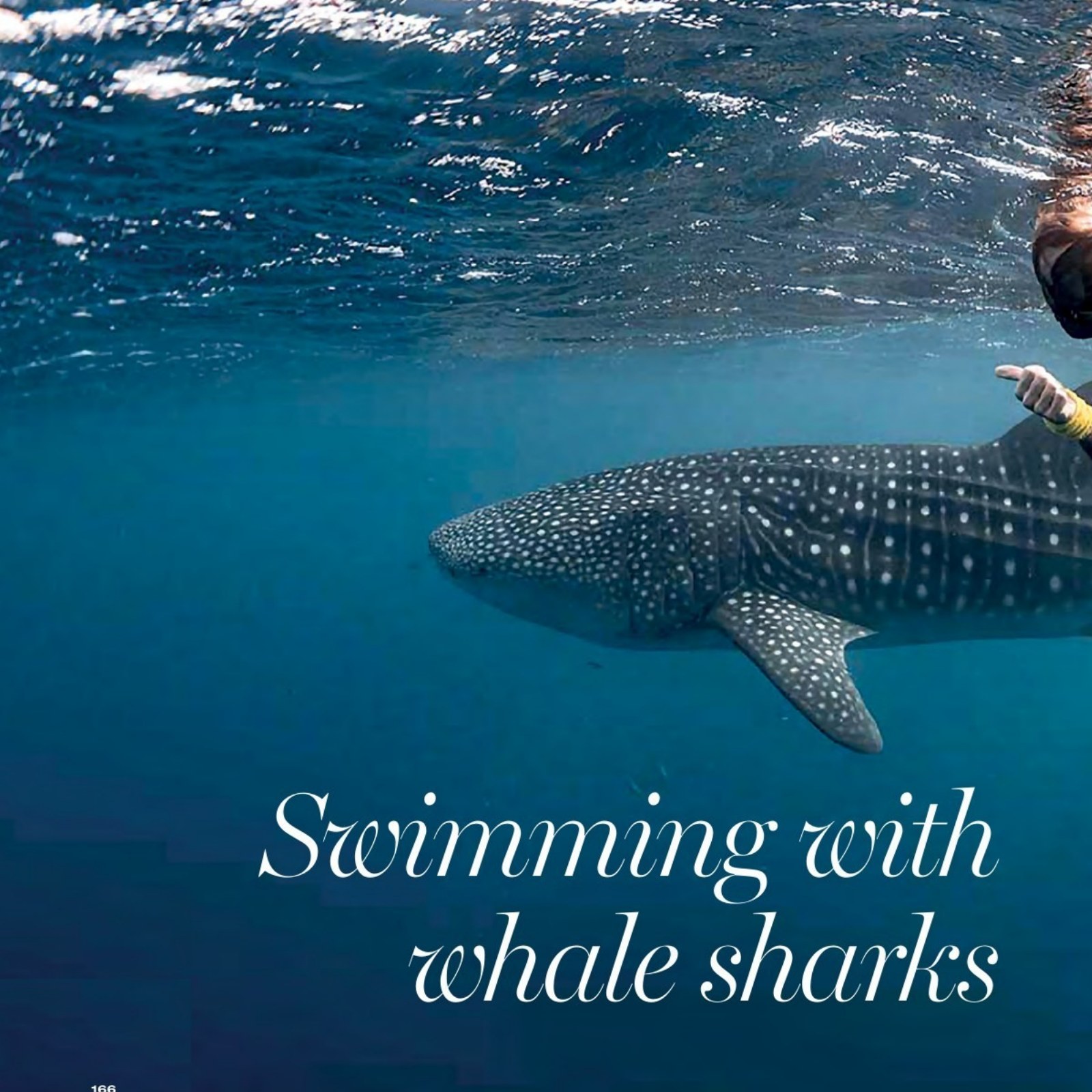
Whale sharks feed in the Bay of La Paz during the cooler part of the year. The regulatory framework commonly spans October through April, but that does not mean tours automatically run on October 1. Authorities open and manage the activity based on authorization, monitoring, and the number of animals present. A practical planning window is often November through March.
When the zone is open, permitted operators use controlled entry times and strict encounter rules. Guests should expect limits on the number of swimmers, time in the water, and distance from each animal. Touching, riding, blocking, or chasing a whale shark is never acceptable. Check CONANP’s whale-shark protected-area information and confirm the current status with a permitted operator shortly before travel.
Spring and early summer: Baja’s mobula ray spectacle
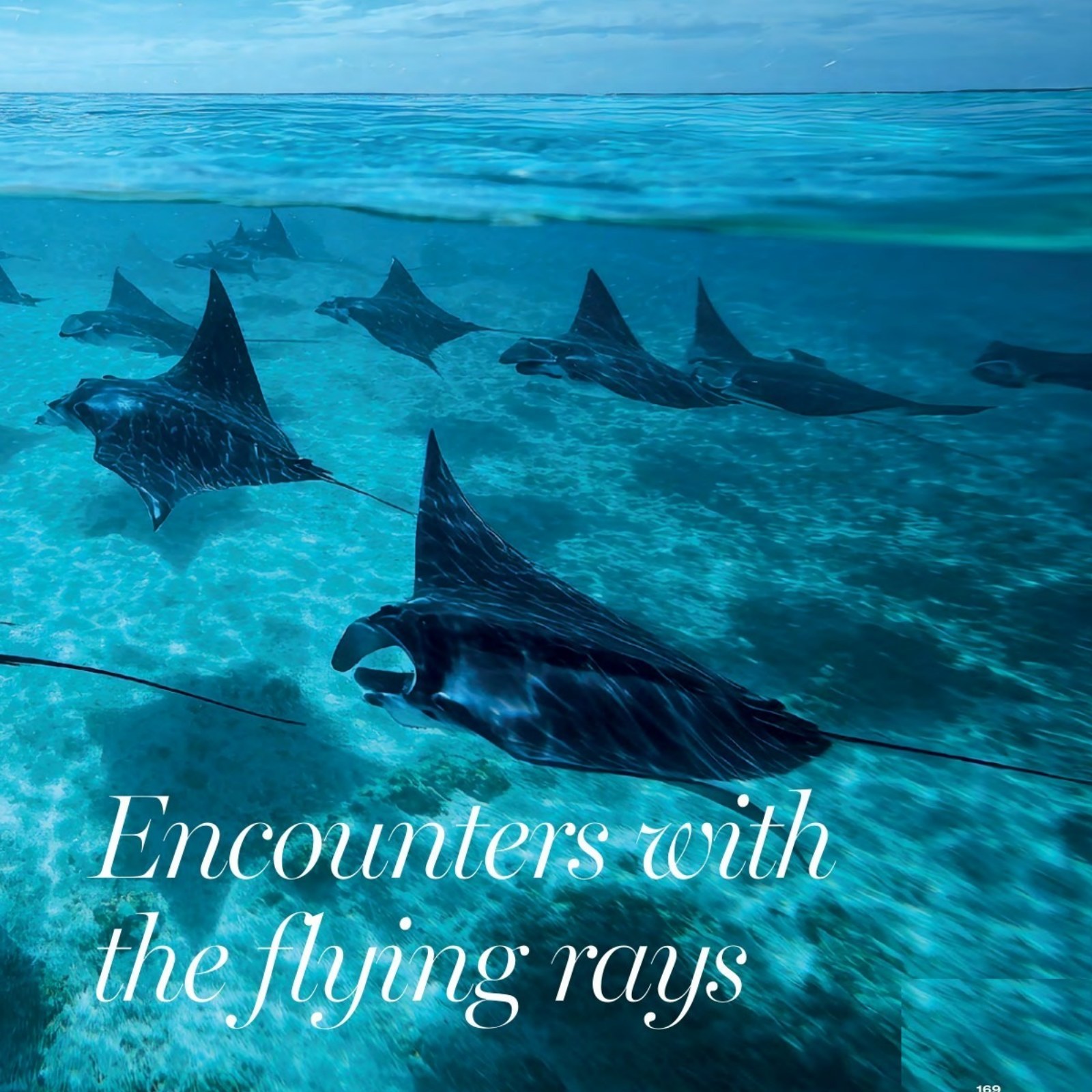
From roughly April through June—and sometimes into July—large groups of mobula rays gather around La Ventana, Cerralvo Island, and the southern Sea of Cortez. At the surface, individual rays may leap clear of the water. Beneath it, snorkelers and divers can encounter flowing schools that seem to fill the blue.
Conditions matter. Wind, current, visibility, and the location of the school can turn the day into a long search or an unforgettable encounter. Choose an operator that explains the plan honestly, enters the water without cutting off the animals, and avoids dropping swimmers directly into the center of a moving aggregation.
Sea lions near La Paz: best outside the breeding closure
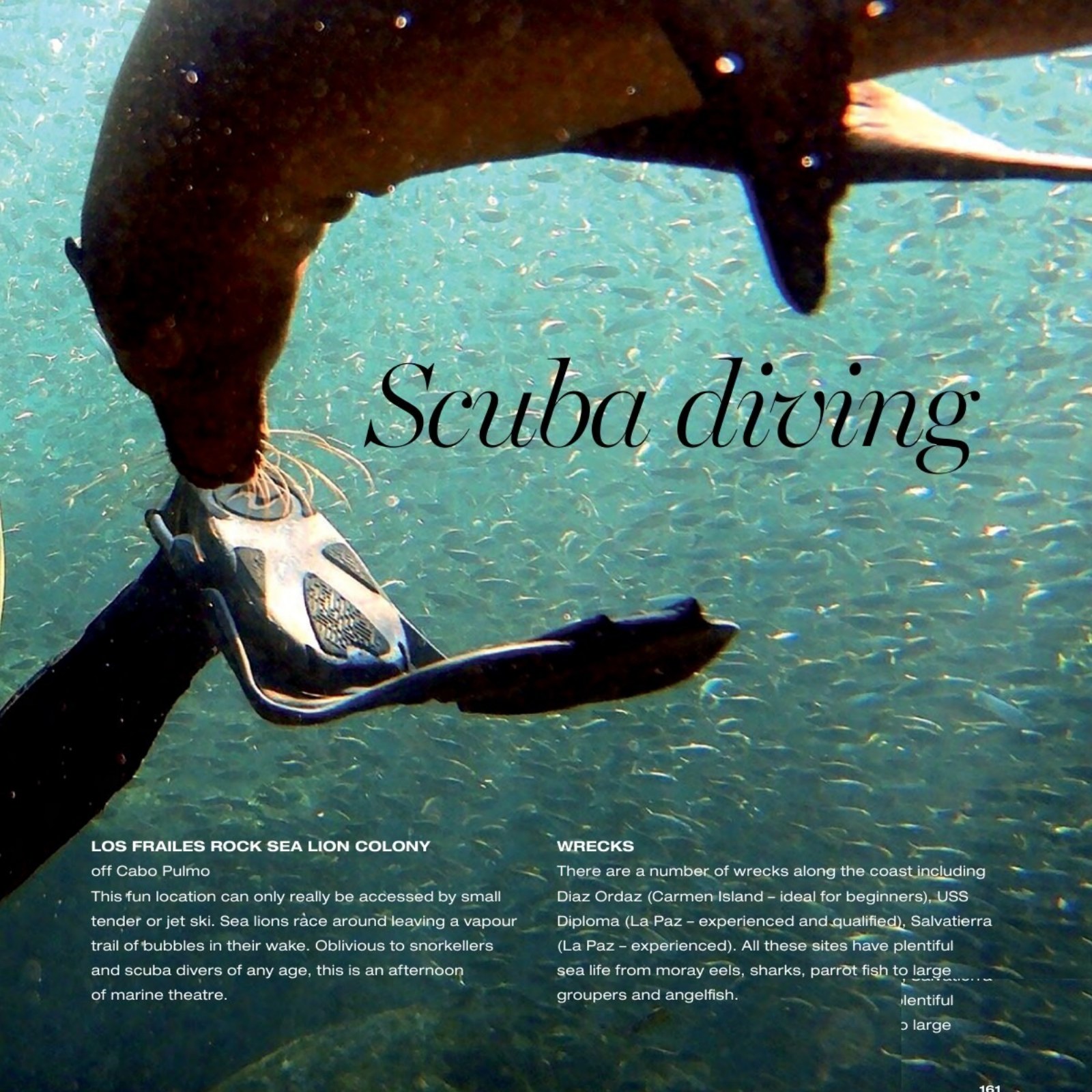
Los Islotes, north of La Paz, is known for its California sea-lion colony. In-water visits are generally planned from September through May. Snorkeling and diving access is restricted during the summer breeding period, commonly June 1 through August 31, to reduce pressure on mothers, pups, and territorial males.
Do not treat every colony as interchangeable; rules can vary by location and season. Follow your permitted guide and review the official CONANP sea-lion visitor guide. Even outside the closure, give animals room and let curious juveniles control the interaction.
Guide-featured wildlife operators to research
The following companies appear in the Book Baja 2026 Guide. They are a starting point for trip research, not a ranking or a guarantee of availability. Confirm current permits, departure locations, inclusions, cancellation policies, and seasonal conditions directly.
- Los Cabos whale watching: Whale Watch Cabo, Cabo Trek, Cabo Adventures, and Salty Cabo Excursions.
- Pacific gray-whale lagoons: Baja Expeditions, Antonio’s Eco Tours, and Magdalena Bay Whales.
- La Paz and the southern Sea of Cortez: BACo — The Baja Adventure Co. and Big Fish Expeditions.
How to build a Baja wildlife itinerary
Baja is long, and the most common planning mistake is treating Los Cabos, La Paz, Loreto, and the Pacific lagoons as neighboring marinas. They are separate destinations. A comfortable itinerary usually anchors in one region or uses private air and multiple nights to connect two.
- Four to five nights: choose one base. Los Cabos pairs humpbacks with villas, golf, and yacht days; La Paz pairs whale sharks or sea lions with the Sea of Cortez.
- Seven nights: combine Los Cabos and La Paz in winter, or La Paz and La Ventana during mobula season.
- Eight to ten nights: consider a two-region trip such as Los Cabos plus Magdalena Bay, or La Paz plus Loreto. Leave weather room around any private-air leg.
Our comparison of Loreto versus La Paz can help narrow the Sea of Cortez choice. For remote lagoons or a multi-stop itinerary, review domestic private-air options in Baja rather than spending entire days on the road.
Responsible wildlife encounters
- Book permitted operators that follow the rules for the specific protected area and season.
- Never touch, feed, chase, surround, or block an animal’s direction of travel.
- Keep noise low and let the captain or guide decide when an approach is unsafe.
- Use reef-conscious sun protection and secure anything that could blow overboard.
- Accept that a responsible trip may return without the hoped-for sighting. Wildlife is wild.
- Treat orcas as an extraordinary surprise, never a schedulable or guaranteed excursion.
Frequently asked questions
What is the best month for marine life in Baja?
February and March usually provide the broadest mix: humpbacks in Los Cabos, gray whales in Pacific lagoons, blue whales near Loreto, and whale sharks near La Paz when that activity is authorized and open.
Can you see whales in Cabo all year?
No. The primary Los Cabos humpback season runs from December through April, with the most reliable activity generally from January through March.
When can you swim with whale sharks in La Paz?
The managed season commonly falls between October and April, but swimming is only possible when authorities have opened the activity and conditions meet the required standards. November through March is often the more practical planning window.
When is mobula ray season in Baja?
The major southern Sea of Cortez aggregation is typically associated with April through June, sometimes continuing into July. Smaller groups may be seen at other times, but travelers should not assume the same scale.
When can you swim with sea lions near La Paz?
At Los Islotes, in-water visits are generally planned from September through May. Summer access is restricted during the breeding season, commonly June 1 through August 31. Confirm current rules before traveling.
Can one Baja trip combine several wildlife encounters?
Yes. In February or March, a longer itinerary can combine Cabo humpbacks with La Paz whale sharks, a Pacific gray-whale lagoon, or Loreto’s blue-whale season. The distances require realistic pacing and, in some cases, private air.
Plan Baja around the season—not the other way around
The best Baja wildlife trip starts by choosing the species and month, then matching the right base, operator, lodging, and transportation. Book Baja can help connect those pieces without turning the trip into a race between destinations. Explore the full Book Baja 2026 Guide, compare our regional planning articles, or browse Baja yacht and boat charters for the rest of your time on the water.